Know before the lift whether the spool fits.
Spools are cut from a model months before the building exists. Vessels set high, steel lands off grid, and the misfit is found one spool at a time — after the crane, after the weld. FieldFit is the field's side of the paper: measure it, track it, prove it.

“Dimensions are approximate — adjust in the field.”
That note on the iso is engineering's liability, handed to the trades. When a deviation is too big to absorb, the spool gets cut and re-fabricated — and the conversation about who pays runs on documentation. The fab shop has its shop drawings and QC. The field usually has nothing.
Nothing on a normal jobsite compares the drawings to the as-built building. Model-to-model clash tools don't see the vessel that was set 20 mm high. FieldFit does — before the spool flies.
Measure it. Track it. Prove it.
Guided shots against the iso.
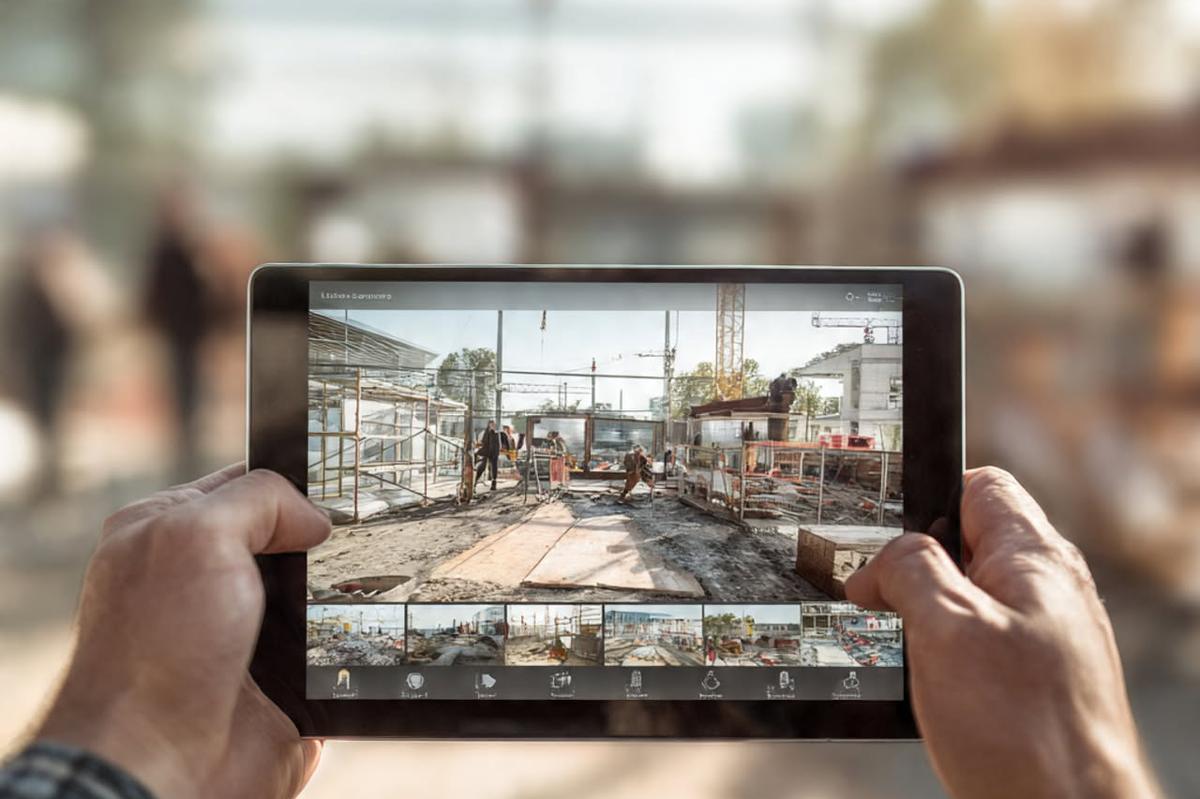
Photograph the drawing; the critical dims are read out with a confidence score, and anything uncertain is confirmed by the fitter. Then shoot each dim with a Leica DISTO over Bluetooth — or type it — and get in or out of tolerance instantly. Out-of-tolerance flags the shop, acknowledgement required. Revisions arrive as alerts and apply in one tap.
Every spool, vessel and valve — where it is, right now.
Expected, warehouse, laydown, installed. One tap moves it, with a note and a photo of the tag; every move is logged, and later changes are added rather than overwriting the original. Print a QR label for each item and any phone camera opens it. Progress by area, percent installed, and a list of what went in without ever being verified.
A Field Verification Record built to support the responsibility conversation.
Design versus measured, delta, tolerance, instrument and its manufacturer-stated rating, photo, timestamp, fitter. Each entry is chained to the previous one, so a later change is logged rather than silently replacing the original. Signature lines, chain of custody, PDF export for the QC package. It documents what was measured, when, by whom and with what — a record can support a dispute; it can't decide one.
Three milestones, before the labour is spent.
Structure top-out, per area
Steel off grid gets found while it's still a note to the shop, not a re-cut.
Equipment set day
Nozzle elevations and centrelines shot while the crane's still hooked. A vessel set 18 mm high flags on the spot, and every affected spool decision happens before install.
Each tie-in, before the spool flies
Face-to-face and centreline checked against the drawing. Verified, installed, and on the record.
Hardware: an off-the-shelf Leica DISTO-class Bluetooth laser meter (about $300; Bluetooth capture on Android/Chrome, typed entry on any phone). Not AR headsets, not phone LiDAR — those can't hold a ±3 mm fab tolerance. Actual measurement uncertainty depends on the instrument, the conditions and how the shot is taken; FieldFit records the instrument and its rating with every reading but is a verification aid, not a surveying, engineering or calibration service. The contractor owns the records.
Fixed-price mechanical contractors and fab-and-install shops.
No VDC department, no site surveyor, and your own margin exposed to every misfit. Rework contingency is a tax on every bid; verifying before commitment is how a shop stops paying it — and bids tighter at the same profit.
Also for owners and EPCs who want verification mandated the way NDE is. Not for pure fab shops (already papered) or cost-plus work where nobody bleeds.
“Built by a working pipefitter, from inside the problem.”Daryl Bradley · Founder
A working product. A handful of pilot contractors.
FieldFit is a working product, not a mock-up. We're bringing on a small number of mechanical contractors to run it on real jobs, shape what it becomes, and lock pilot terms. Tell us about your work and we'll call within one business day.
Thank you — we'll call within one business day.
In the meantime: hello@primedigitalai.ai